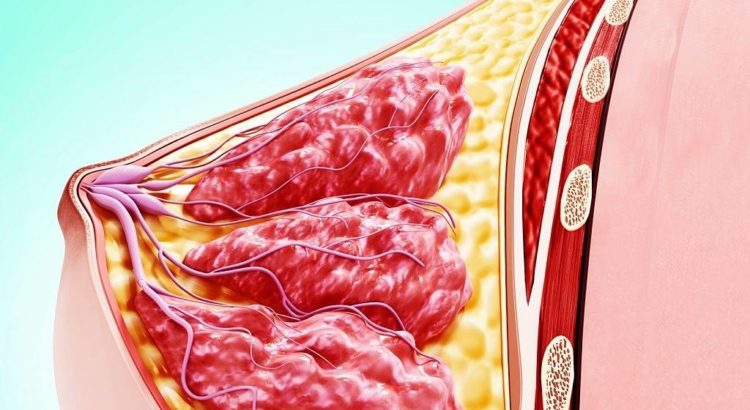
Female breasts are complex organs made of fatty tissue, glandular tissue, milk ducts, connective tissue, blood vessels, and nerves. The amount of fatty tissue mainly determines breast size, while glandular tissue supports breastfeeding and milk production. Breasts also contain lobules and ducts, which develop under the influence of hormones during different stages of life.
Every woman has a unique breast shape, density, and size because of genetics and hormonal activity.
Page Contents
Introduction: Understanding Breast Anatomy and Growth Phases
Breast Development and Natural Changes
Breasts begin to develop during puberty under the influence of hormones. Their size and shape continue to change throughout life because of menstrual cycles, pregnancy, breastfeeding, body weight fluctuations, aging, and hormonal balance. Genetics also strongly influence breast appearance, making every woman’s body unique. Some women naturally have smaller breasts, while others may notice volume loss over time.
Main Breast Growth Phases
Breast development begins before birth but becomes noticeable during puberty, when hormone levels increase rapidly. During this phase, estrogen stimulates the growth of breast tissue, causing breasts to enlarge and mature.
Breast size and shape continue to change during:
- Puberty and adolescence
- Menstrual cycles
- Pregnancy and breastfeeding
- Weight changes
- Menopause and aging
These growth phases affect breast fullness, firmness, and elasticity throughout life.
Many women become interested in breast growth after puberty ends and breast development slows down. Some women wish to improve breast volume, correct asymmetry, or restore fullness lost after pregnancy or weight loss.
Breast Anatomy
The breast made up of milk glands and ducts, connective tissue and fat. In teenagers and young women the breast tissue is firm and dense, and then becomes softer and more fatty with age.
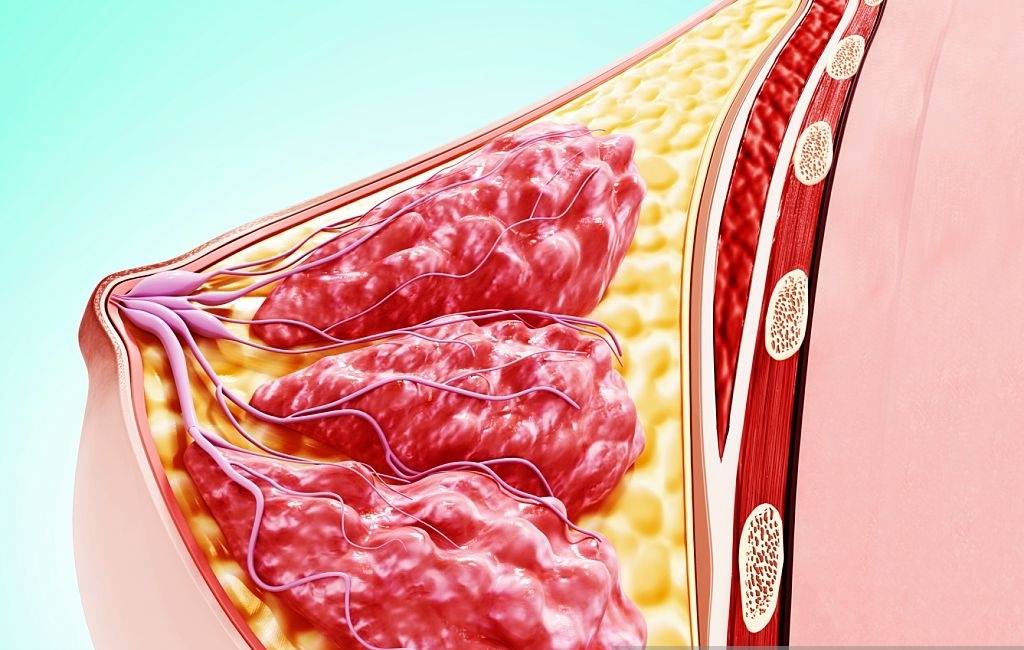
There is no muscle tissue in the breast, which is why there are no exercises to make them grow. However, the pectoral muscles that lie underneath the breasts can be firmed up to provide lift and shape (think of the “pecs” on male bodybuilders.)
Since the breasts do contain lots of fat cells, women will notice their bra size increases with weight gain.
However, the breast is often viewed as a symbol of femininity and sexual attractiveness, so it is normal for a young woman to have lots of questions about her how to grow bigger breasts.
How Breast Growth Happens
Let’s review some major facts about breast growth and see how breast size changes throughout the women’s life.
The first phase is the teenage years when girls start to see the first signs of breast growth.
Breast growth during puberty
The development of tender breast “buds” is usually the first sign of puberty in girls. Some girls notice breast growth as early as age 7 or 8, while others don’t start until age 13 or so.

The timing is determined by your own biologic “clock” that tells your body to start producing higher levels of female hormones.
Breasts go through five “stages” of growth over the next five to six years, until their full maturity is reached by age 17 or 18.
Breast growth phases
Female breasts usually start to grow for about four years after the first period. But what we mean medically by breast “growth” can be very subtle. Breast tissue develops through five “stages” during puberty:
- Stage 1 is the flat, childhood chest.
- Stage 2 is breast “budding” when the nipples swell and become tender.
- In Stage 3, breast tissue enlarges from the gland and fat development. Young teens usually start their first period at this time.
- During Stage 4, the breasts may change only in contour (shape) rather than size, and the nipples protrude.
- Then in Stage 5, breast growth is completed. By age 17 or 18 you’ll know your final breast size.
Breast growth facts
There are many questions teenagers often ask as their body changes biologically. We will try to answer a few of them:
My breasts hurt and are very tender. They also itch a lot and I’m getting stretch marks. Why?
What you are experiencing is very normal. Hormones cause your breasts to start “budding,” and the new tissue is very tender at first. Because the skin is stretching, it may also itch.
Usually the pain and itching last less than a year (even though your breasts will continue to grow over five to six years.) It sounds like it’s time to get your first bra, which will protect the tender new breast growth and help minimize any pain.
Any time the skin expands rapidly, the delicate underlying tissue can tear, causing thin scars (stretch marks) to form. The marks are pink or reddish at first, but they will fade and become pale or skin colored in about a year or so. There is no evidence that any treatment will prevent the stretch marks of puberty, but many women like to moisturize the skin with creams containing cocoa butter, vitamin E, or aloe vera.
Breast growth after teenage years
After the teenage years when initial breast growth is finished, breast size is primarily determined by heredity. However, genetics can be very complicated, and the genes for your breast size may have come not just from your mom, but also from your father’s side, or from more distant relatives you don’t even know.

So many girls will have a breast size different from their mother or their sisters.
The good news is there are natural breast growth methods that can enhance your breast after puberty.
You can let your breast grow naturally after it stops growing if you are not satisfied with the size. Please review our guide on how to restart breast growth for tips and tricks and find a solution that will help you make your breast bigger!
Breast growth during pregnancy and breastfeeding
But before we reveal some facts about natural breast growth, there is one more thing we should discuss: breast growth while nursing.

Many women notice significant breast growth during pregnancy. However, this breast growth is often temporary and after the end of nursing, breasts may shrink and sag, decreasing in size and losing their shapes.
Still, nursing is extremely important for the health of both mother and kid.
Here is why. Breast is the central focal point of your baby’s life. It is NOT just a food source but also a source of comfort and security. It is soft and warm to feel and to baby’s mouth, which a bottle certainly isn’t.
Baby feels safe and secure at Mommy’s breast.
All nursing mothers can vouch for the fact of how well breastfeeding calms down a fussy baby. Breast is a baby’s natural pacifier and a ‘security blanket’.
Breastfeeding can help your child during any kind of emotional upsets or family crises, or just simply through teething. Breastfeeding works best when it is done “on-demand”, in other words whenever the baby wants to or shows cues of wishing to nurse. That can even mean up several times an hour in the beginning.
First of all, infants have very small tummies and breast milk digests quickly, so the smaller the baby, the quicker she will be hungry again. Also, babies don’t nurse for food only but also for comfort and security. Western culture values independence and visible accomplishments, which is seen also in the parenting advice one often sees: mothers are told to have infants sleep in a separate bed, force them to sleep through the night without nursing, or nurse on schedule.
Wearing/carrying the baby a lot, and valuing the time-spent breastfeeding are not emphasized. But even science has now found evidence that this is not the way to go.
Why Breast Size Matters to Many Women
- Breast size can influence how a woman feels about her body, femininity, and physical appearance. Women may feel more confident when their breast size matches their preferred body proportions. Others may feel uncomfortable because they consider their breasts too small, uneven, or different from the appearance they desire. These feelings can affect clothing choices, social confidence, and comfort with their own body.
- Many women develop personal preferences about breast size based on individual experiences, cultural beauty standards, and images presented by media. Some women prefer a fuller bust because they believe it creates a more balanced or feminine figure. Others are comfortable with smaller breasts and do not want to change their natural appearance. There is no medically defined ideal breast size because healthy breasts naturally vary greatly in shape and volume.
- Breast appearance can also affect how some women feel during intimate relationships and how comfortable they are with their bodies around a partner. Some women may worry about whether their breast size is attractive to their partner or compare themselves with other women. Partners can also have different preferences, but these preferences do not determine a woman’s health, femininity, or personal value.
- Women may consider breast enlargement for many different reasons, including naturally small breasts, breast asymmetry, changes after pregnancy, weight loss, or age-related loss of volume. Some want a fuller appearance, while others simply want their breasts to look more proportional to the rest of their body. Understanding these personal motivations helps explain why interest in breast enhancement remains common among adult women.
Breast size is highly individual, and personal comfort and confidence are more important than reaching a particular cup size or beauty standard.
Common Reasons Women Seek Breast Enlargement
- Naturally Small Breasts. Some women seek breast enlargement because they have naturally small breasts and prefer a fuller appearance. Genetics largely determines breast size, shape, and fat distribution.
- Breast Asymmetry. Breast asymmetry is another common reason women consider breast enhancement. One breast may be larger, rounder, or positioned differently than the other. Although mild asymmetry is normal, noticeable differences can affect body confidence and encourage women to explore ways to improve their breast appearance.
- Changes After Pregnancy and Weight Loss. Pregnancy, breastfeeding, and weight fluctuations can change breast volume, firmness, and shape. Some women notice reduced fullness after breastfeeding, while weight loss may decrease the fatty tissue that contributes to breast size.
- Aging and Hormonal Changes. Aging and hormonal changes can affect breast tissue and skin elasticity. During perimenopause and menopause, declining estrogen levels may contribute to changes in breast density, fat distribution, and firmness.
- Personal Preferences and Body Confidence. Personal preferences and the desire to feel more confident also motivate many women to consider breast enlargement. Some prefer a fuller bust, while others want their breasts to better match their preferred body proportions.
Natural enhancement methods attract interest because they do not require surgery. However, unlike herbal supplements, most creams, massages, and exercises have not been proven to produce lasting breast enlargement.
Understanding factors that influence breast size help women set realistic expectations.

Can Breasts Increase Naturally After Puberty?
Breast Growth After Puberty
Breast development usually slows down after puberty, but breast size and shape can continue to change throughout adulthood. Genetics largely determines natural breast size, while hormones, body weight, pregnancy, and aging can influence breast volume and firmness. Although most women do not experience significant spontaneous breast growth after puberty, some changes can occur under specific circumstances.
Factors That Influence Breast Size
Several natural factors can affect breast size and appearance after puberty. These include:
- Body weight: Breasts contain fatty tissue, so weight gain may increase breast volume, while weight loss may reduce it.
- Hormonal fluctuations: Menstrual cycles can cause temporary swelling, tenderness, and fullness.
- Pregnancy and breastfeeding: Hormonal changes stimulate breast tissue growth and prepare the breasts for milk production.
- Aging: Changes in glandular tissue, fat distribution, and skin elasticity can alter breast shape and firmness.
- Chest muscle development: Strength training can improve the muscles beneath the breasts, creating a firmer-looking chest without increasing breast tissue itself.
Realistic Expectations for Natural Breast Enlargement
Natural methods can reliably increase breast tissue and produce a permanent increase in cup size after puberty. Massage may temporarily affect comfort and skin appearance, while exercises can strengthen the chest muscles. These methods have not been shown to stimulate lasting breast growth.
However, herbal supplements marketed for breast enlargement often include clinically proven ingredients that affect breast growth without side effects of surgery.
The most realistic goal is to support breast health and improve overall appearance by leveraging natural breast enlargement.
Breast Growth Surgery
Nowadays there exist different breast surgery options that are offered to patients who feel unhappy with the size, appearance, or shape of their breasts. Breast enlargement and breast reduction are the most popular procedures.
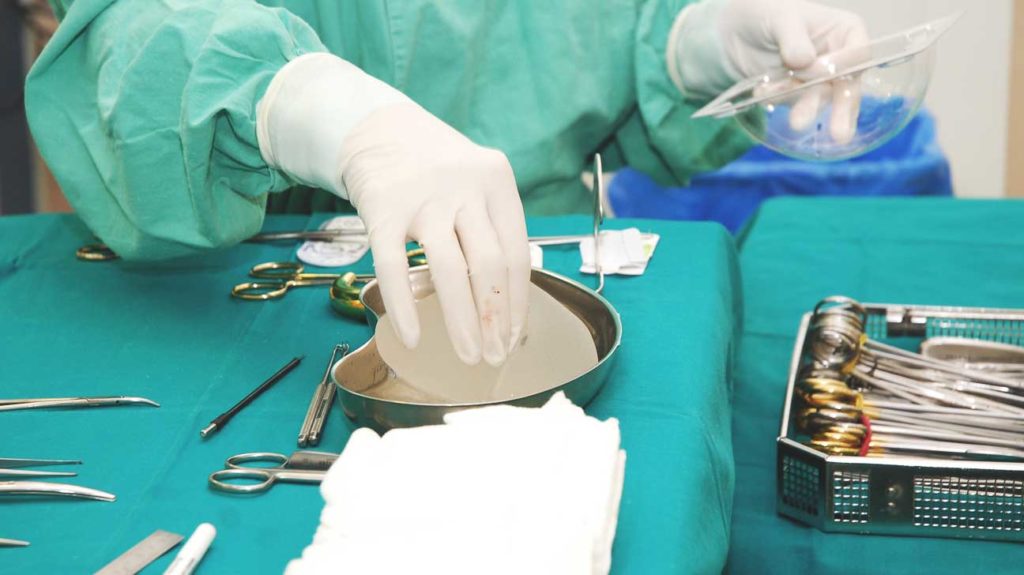
Breast growth surgery is performed with the help of a silicone implant filled with salt water (saline). These silicone implants enhance the general appearance of breasts, helping women feel more comfortable and content with their looks.
According to the American Society of Plastic Surgeons, more than 300,000 women in the US decided to undergo breast growth surgery in 2019.
There exists an opinion that breast surgery is rather safe and not difficult to perform. However, unlike natural breast growth methods, it implies certain risks.
All breast surgeries come with a risk of potential complications, including possible infections, long recuperation time, scars, breast deformation, implants leakage, etc. In this case, the implant must be removed. Some other risks include deflation, capsular contracture, bleeding, hematoma, breast hardening, and shifting of the implant.
How to Make Your Breast Grow Bigger Naturally Without Surgery?
Natural breast growth happens when your body produces enough hormones and your breast tissue responds to healthy lifestyle habits. Eating balanced meals rich in nutrients supports hormone production and overall body health. Regular physical activity, especially exercises that strengthen the chest muscles, can improve breast shape and firmness. Massaging your breasts gently helps increase blood circulation, which may encourage tissue growth over time. Good posture and wearing supportive bras also enhance the natural appearance of your breasts. Avoid harmful habits like smoking or sudden weight changes, as they can harm breast tissue.

Dr. Jerry K is the founder and CEO of YourWebDoc.com, part of a team of more than 30 experts. Dr. Jerry K is not a medical doctor but holds a degree of Doctor of Psychology; he specializes in family medicine and sexual health products. During the last ten years Dr. Jerry K has authored a lot of health blogs and a number of books on nutrition and sexual health.